Memory and Identity in Europe's Changing Core
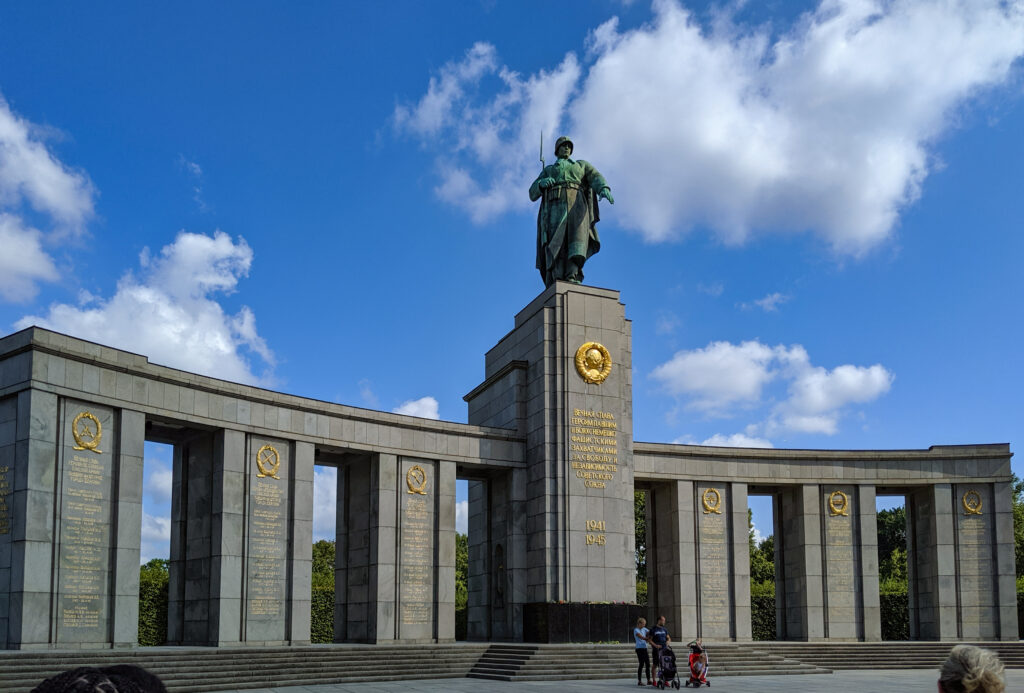
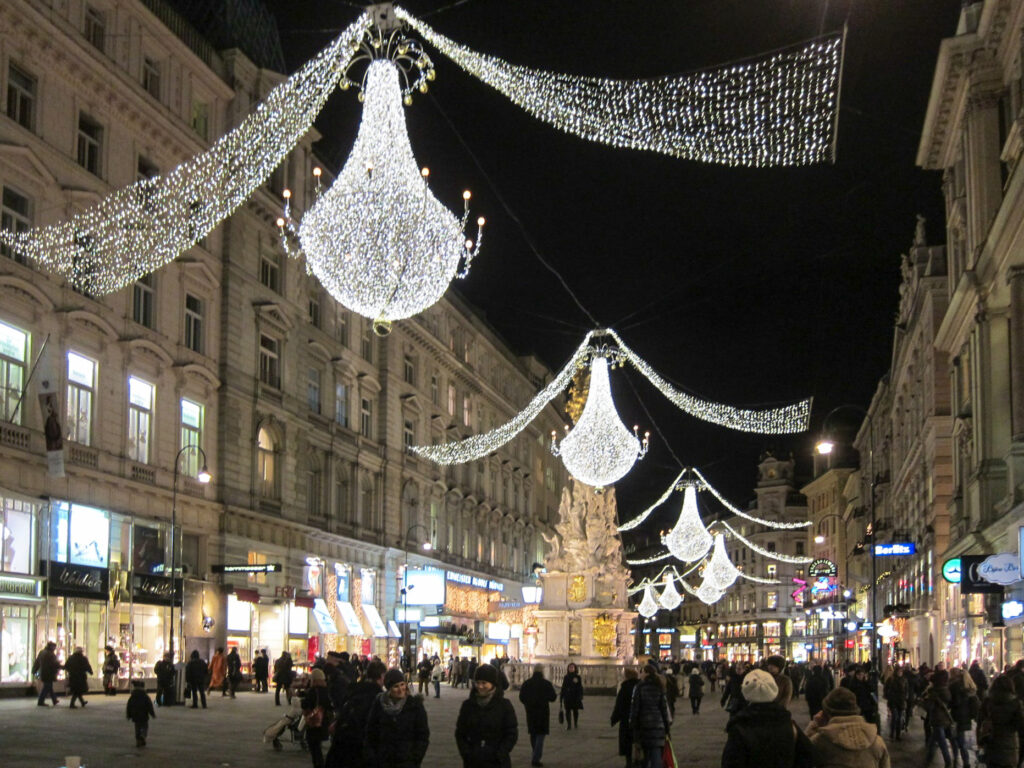
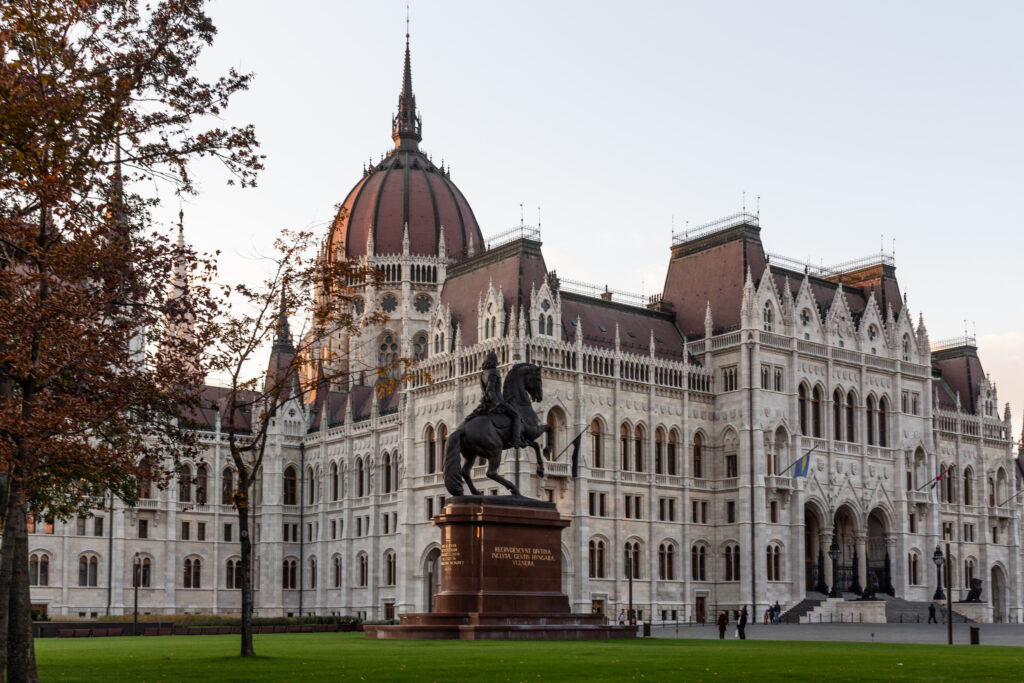
In the heart of Europe, history feels close—layered into streets, institutions, and everyday life. Across countries like Poland, Czechia, Hungary, Austria, and Germany, these countries reveals how societies rebuild, remember, and redefine themselves after decades of shifting borders, ideologies, and regimes. The legacies of empire, fascism, communism, and resistance shape both public memory and civic life. Walking through rebuilt town squares, former Jewish quarters, or Cold War-era architecture prompts questions about how historical narratives are preserved, challenged, or transformed over time.
Atlas Workshops programs in the region explore how countries confront the past while imagining new futures. We can investigate how different national approaches to remembrance, education, and governance reflect larger debates about democracy, justice, and European integration. From museums and memorials to grassroots initiatives and public art, we consider how communities are reinterpreting their history and building toward resilience, equity, and civic renewal.