Why the Balkans for Teachers?
Few regions in Europe have more layered histories than the Balkans. While the former Yugoslavia is often reduced to stories of conflict and division, the reality is far more complex. The region represents a crossroads of empires, religions, and cultures that have shaped European identity for centuries. On this program we will treat the Balkans as our home base to explore how intercultural dialogue, cultural memory, and post-conflict education tie together. We will visit the sites where history was made and meet with educators and community members working to build bridges across cultural divides. We will seek out the narratives of resilience and consider how different communities remember and teach their shared past.
How do we move beyond simplified narratives of conflict to reveal the Balkans’ rich tapestry of cultural resilience? What can this crossroads of empires teach us about identity, belonging, and the power of place-based learning?
Program Goals:
- Visit key sites and learn from historians, educators, and local experts across Croatia and Bosnia & Herzegovina as we unpack the narratives of identity, conflict, and reconciliation in the former Yugoslavia.
- Critically examine the way we understand and teach European history, and how we engage students in conversations about issues of justice, peace and conflict, and intercultural dialogue.
- Have collaborative conversations with locals on what defines their identity and culture, and how those definitions are influenced by historic and cultural narratives as well as current events.
- Develop new tools and strategies for intercultural dialogue curriculum both in and outside the classroom.
- Explore innovative approaches to post-conflict education and war childhood pedagogy through hands-on workshops with museum educators and community organizations.
July 2024 Itinerary
July 28: Dubrovnik
Opening & Orientation
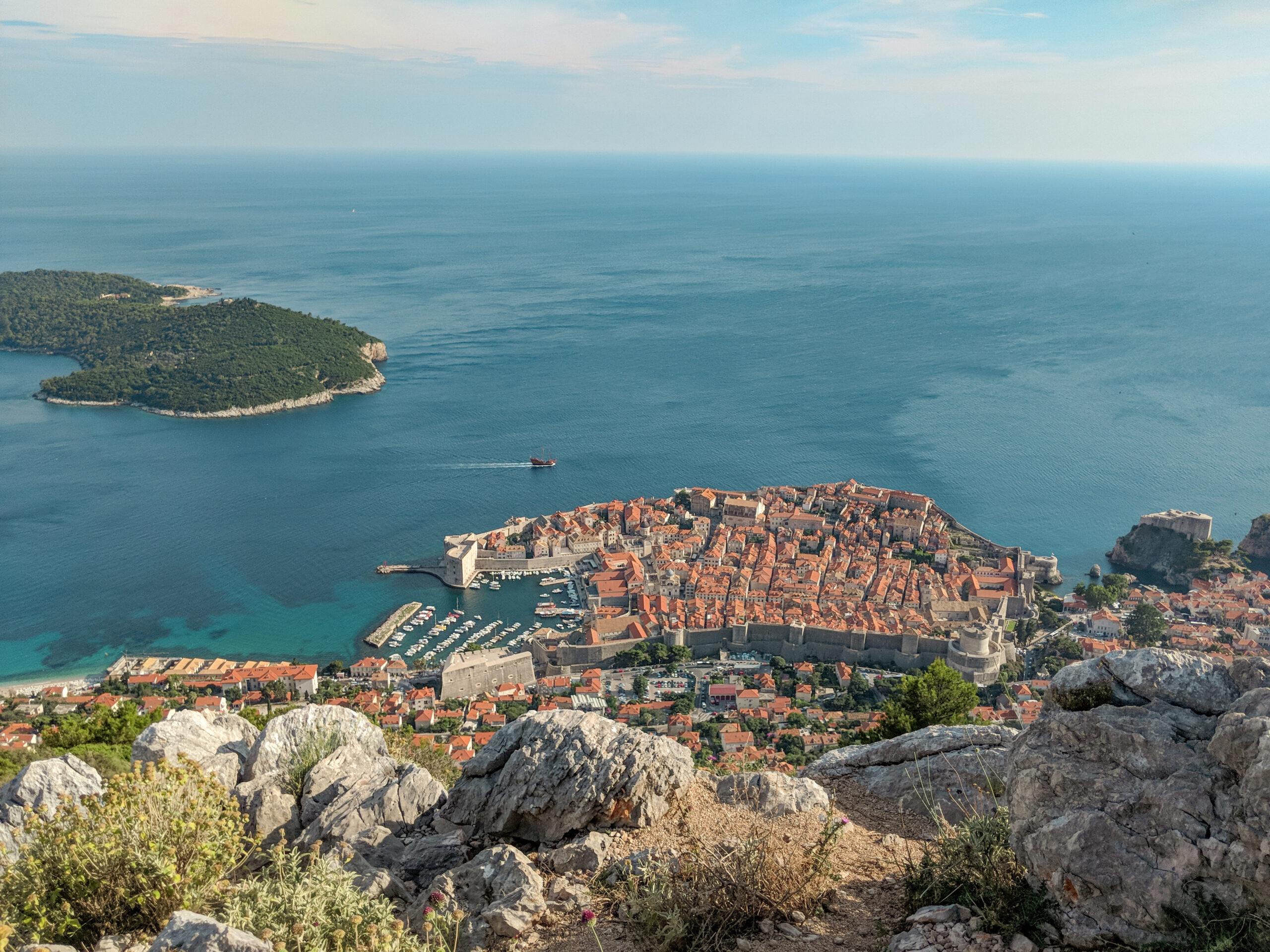
We’ll begin with an orientation on the evening of July 28. We’ll get to know the Adriatic coast and our travel cohort with a Croatian coastal dinner. We’ll also have an introduction to the region and the complex narratives that shape how we understand the former Yugoslavia.
July 29-31: Sarajevo
Crossroads of Culture & Conflict
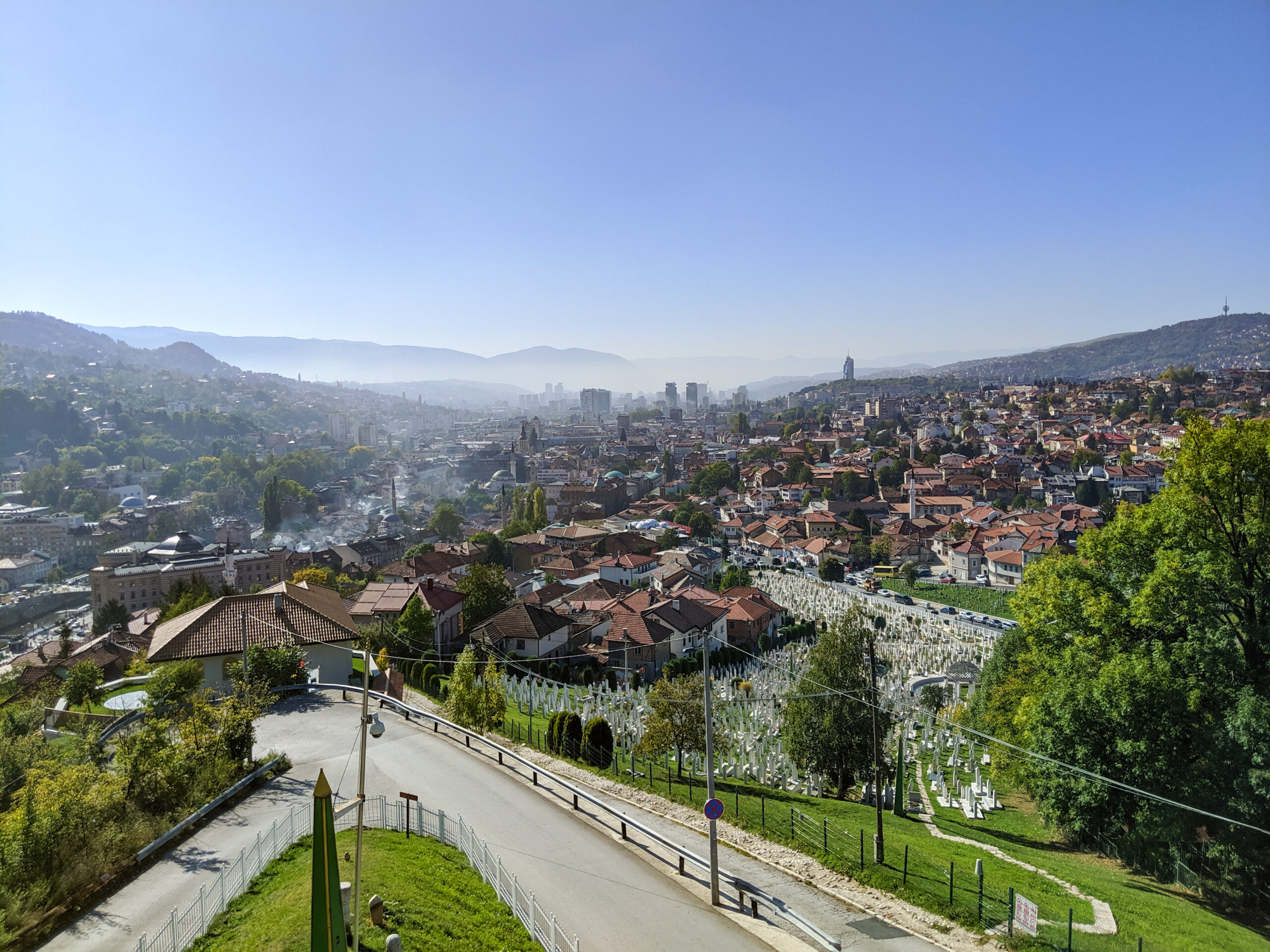
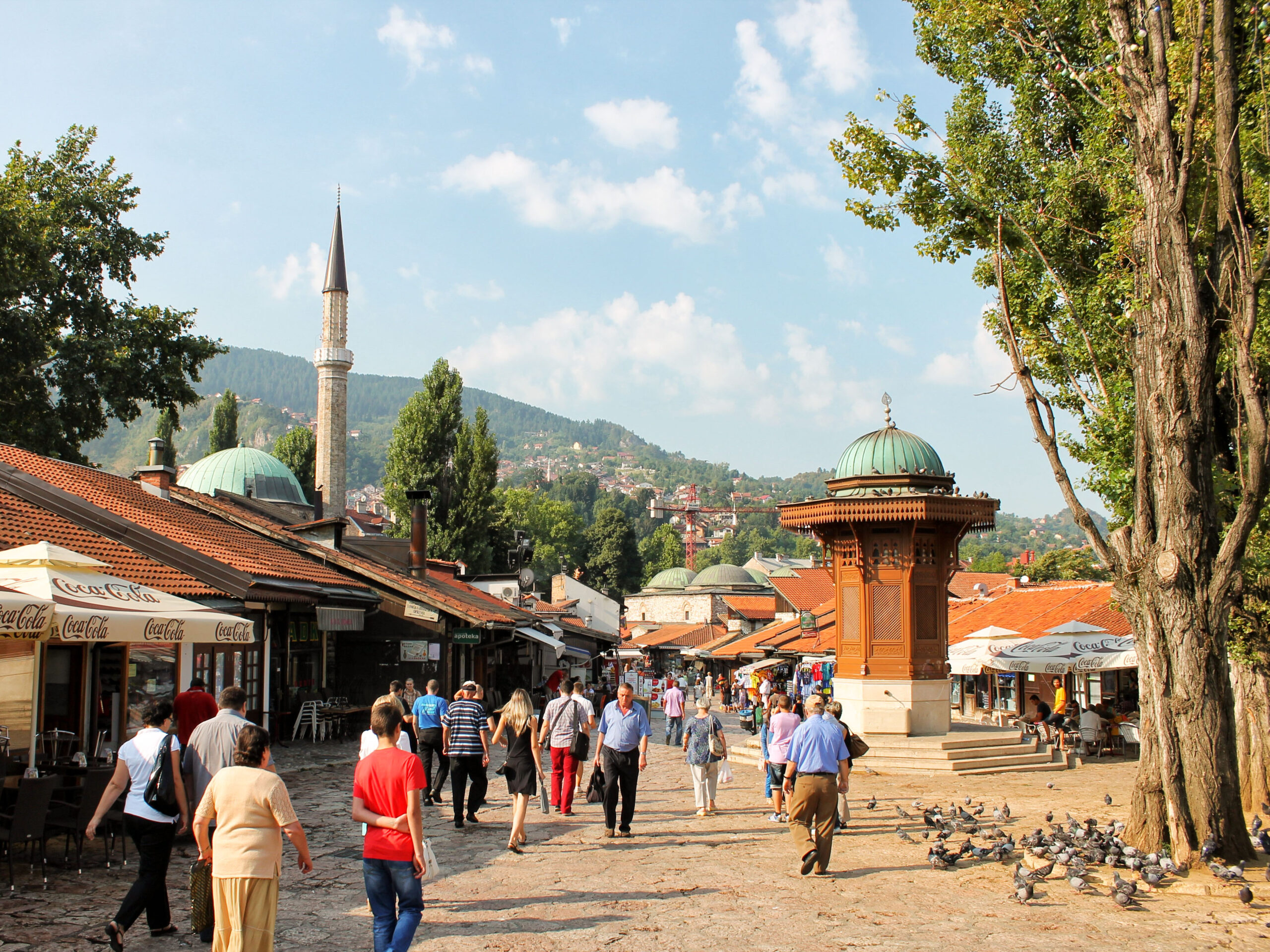
We’ll depart for Sarajevo, stopping in Stolac for an introduction to Islamic history in the region and Blagaj to explore the spread of Islam in the Balkans. We’ll arrive in Sarajevo, known as the “Jerusalem of Europe” where four religious communities call the city center home, for our first group dinner and three nights exploring intercultural dialogue in practice.
We’ll focus our time in Sarajevo diving deeper into the ways that Bosnia went from being the multi-ethnic heart of Yugoslavia to the center of violence in the region. We’ll take Identity and History walks through the city and visit the Sarajevo Tunnel Museum with a veteran of the 1990s war. We’ll meet with local educators to explore the divided history curriculum and participate in a War Childhood Museum educator workshop. As we explore, we’ll consider how communities maintain identity and dialogue across difference, and how educators can foster these conversations in their own contexts.
August 1-2: Mostar
Bridge Building & Division
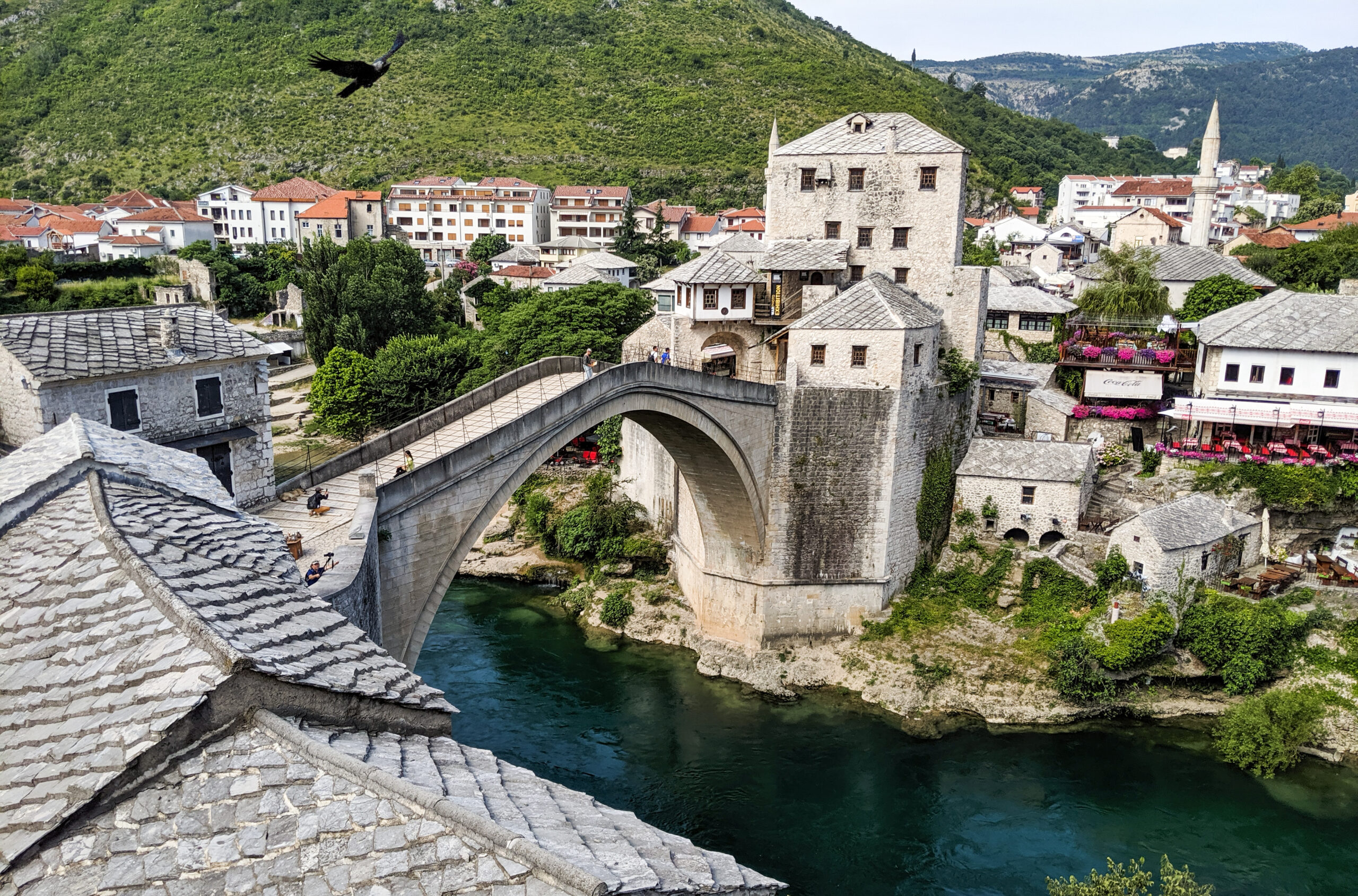
As we continue exploring the region, we’ll travel to Mostar where we’ll examine ongoing divisions and reconciliation efforts. We’ll visit Tito’s Bunker and engage in conversations with locals about post-war symbolism and the role of memory in daily life. We’ll explore how this iconic bridge city serves as both symbol and reality of connection across cultural divides.
August 3: Dubrovnik
Closing & Reflection
We’ll return to the coast for our final evening together. We’ll have a closing reflection with an opportunity to workshop how to integrate new ideas about intercultural dialogue into our work in the classroom and future global programming. We will plan for participants to depart on August 4th.
Who Should Join?
This program is geared toward K-12 educators with an interest in global education, history, and humanities and the connections between field experiences and classroom learning. While we think it will be especially applicable for middle and high school educators, the themes covered are relevant to all age levels and disciplines. We are excited to gather a diverse group of educators eager to collaborate on this work and conversation.