Why Berlin, Prague and Budapest?
In the early 1990s, the collapse of the Soviet Union opened up the Eastern Block, and ever since, these three capital cities have all managed the transition differently. From Hungary’s changing political landscape to Berlin’s rise as one of the most creative cities in Europe, each country and location still struggles to make sense of their own cultural memory of communism, WWII and before, through the monuments, museums, stories and curriculum present today.
Traveling through this region, we can find the monuments from communism and the monuments OF communism. From the way we tell stories of WWII and the historical places that shape national identities to the understanding of life behind the iron curtain, the cultural memory in the region still shapes our ongoing values, relationships, and thinking. How do physical monuments shape or manipulate public memory? How can the remnants of communism help us shape our modern values? How does curriculum about the past shape the way we see our future?
0-3 Nights - Budapest, Hungary
Hungary’s Shifting Story
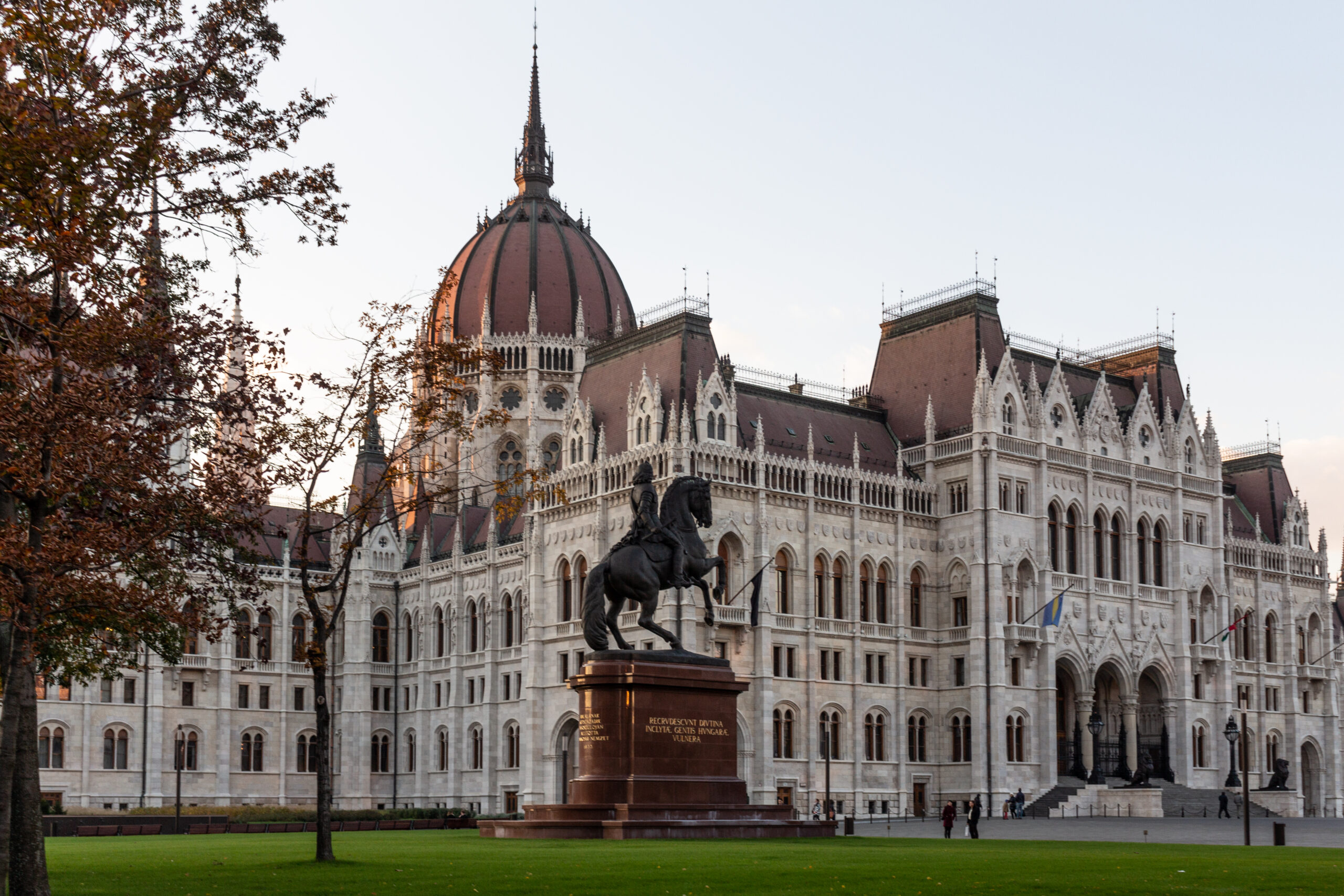
Starting in Budapest we will look at some of the newest and older monuments in the city, and the stories behind them all. From the Castle overlook to the house of Terror we will explore how historical narrative is constructed. We will take a cruise on the Danube at sunset and head out of the city center to Memento Park to see a collection of Soviet monuments from all around the city in their new home.
2-4 Nights - Prague, Czechia
Artists and Memory in Prague
After an overnight train ride, we will reach Prague and settle into the Old City. Here we will trace the history of the city and country throughout different kingdoms and governments. We will visit some of the newer districts to think about how public art and monuments play a defining role in modern Czech life and meet locals to discuss the transition from life during communism to capitalism has impacted the city.
2-5 Nights - Berlin, Germany
Grappling with History in Berlin
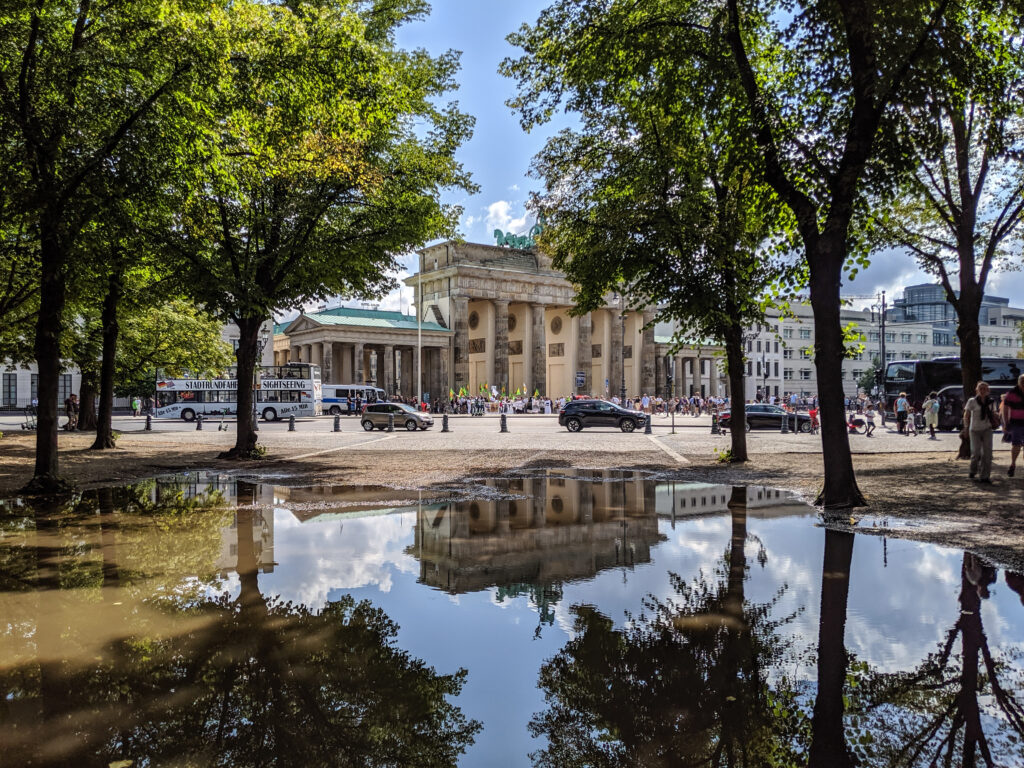
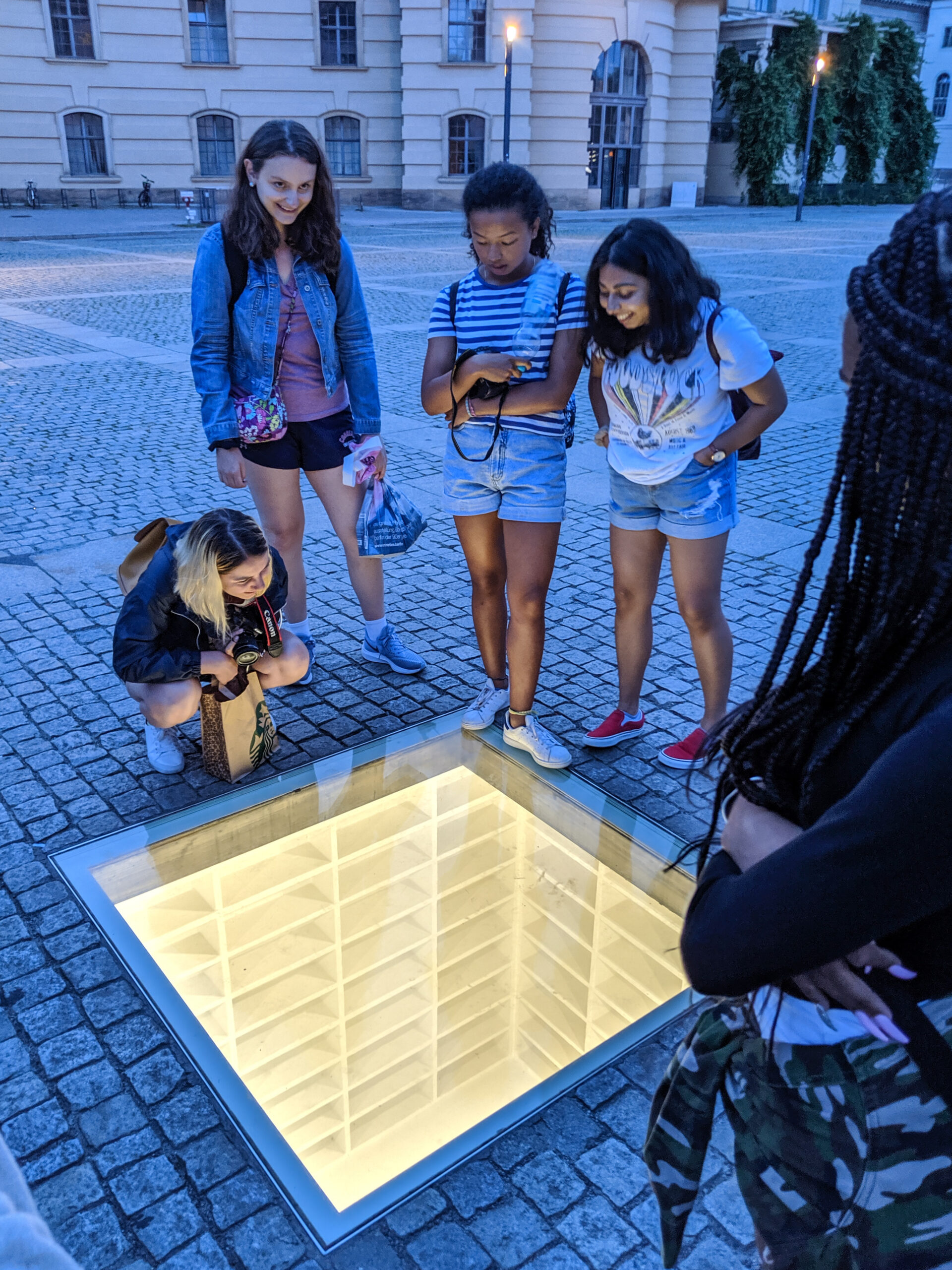
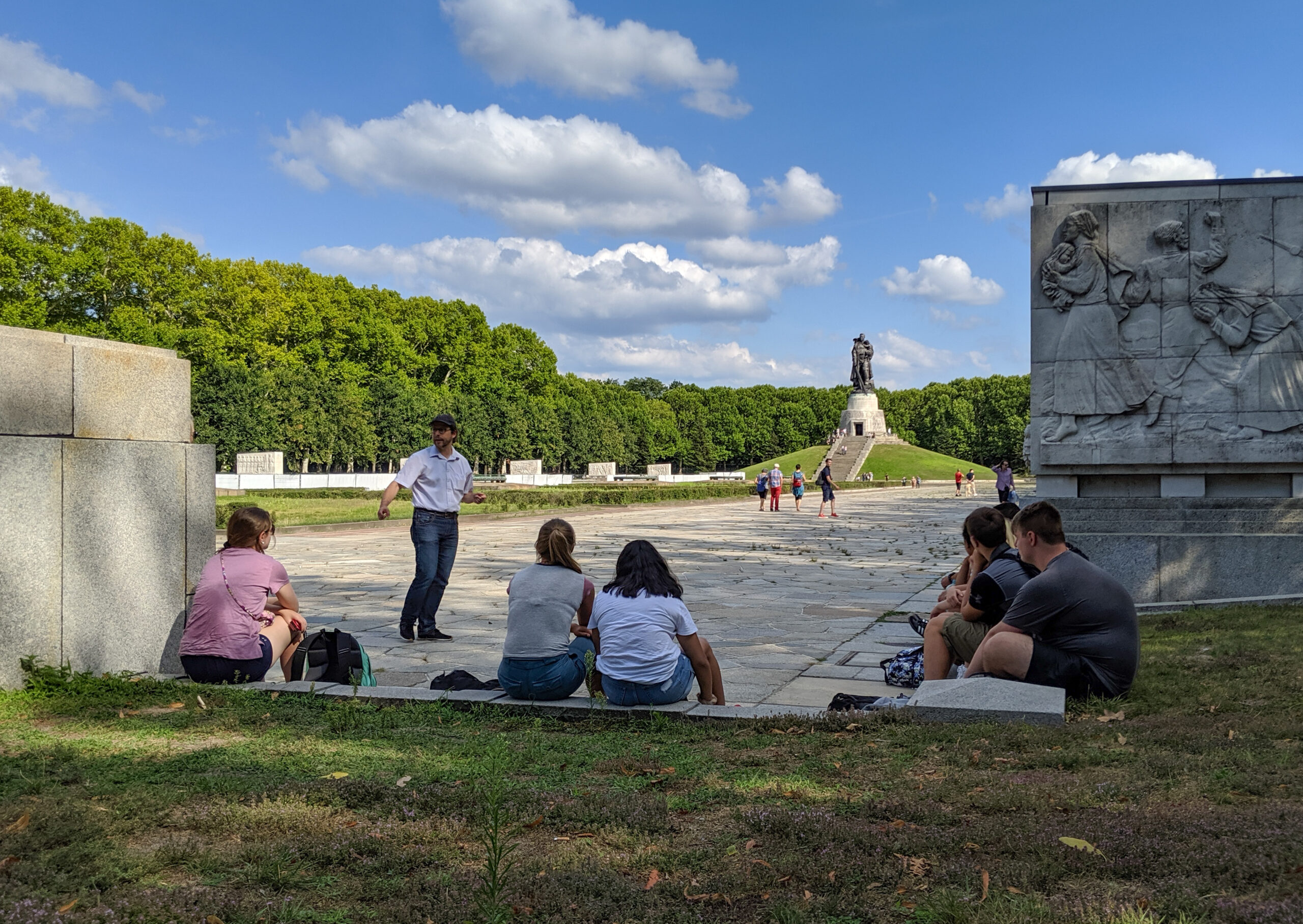
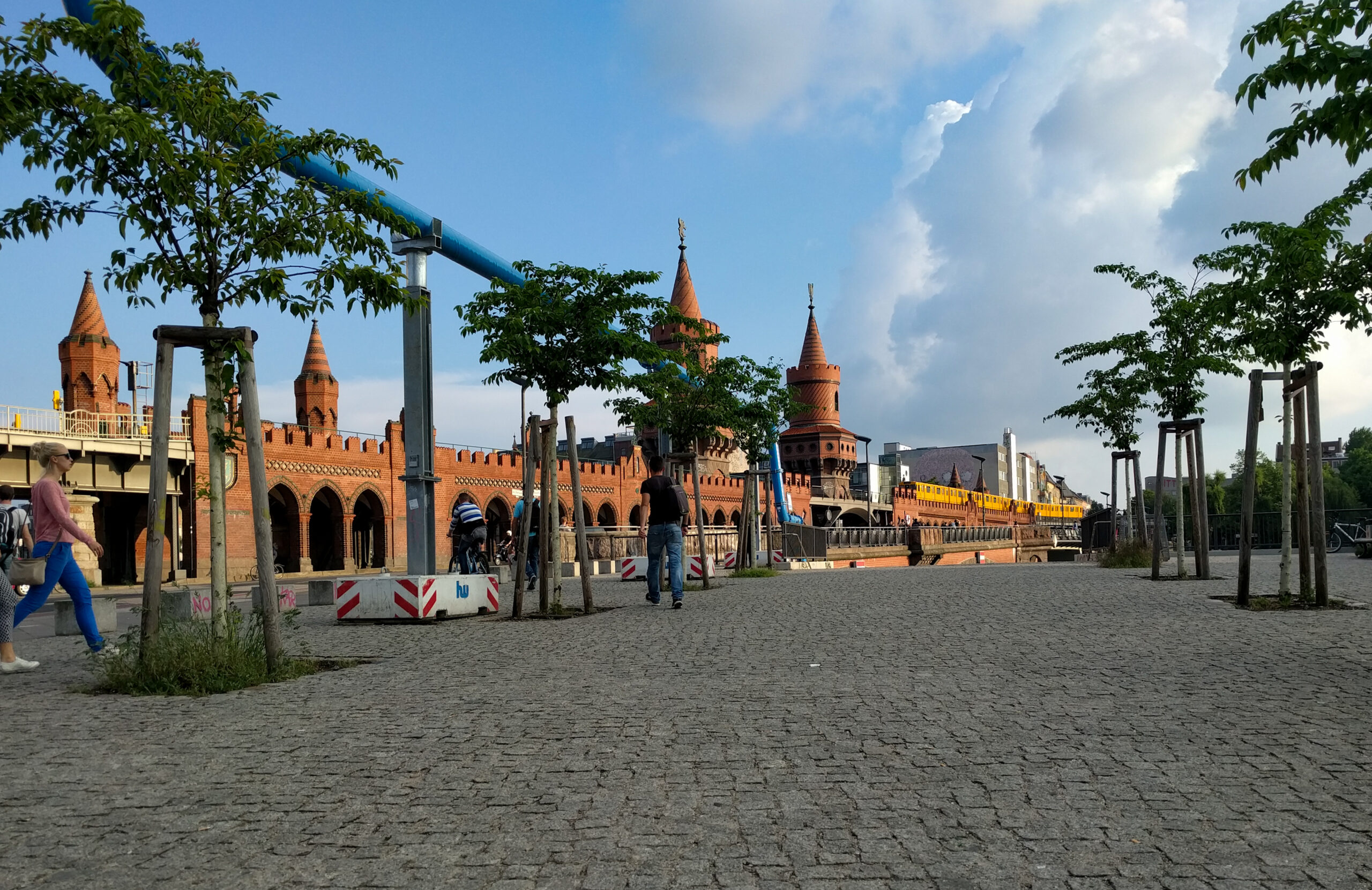
We will end in Berlin, the infamous divided city of the 20th century and the capital of Germany. We will trace the story of the wall and compare the style and impact of East and West. We will visit key sections of the old East Berlin, like Alexanderplatz and Treptower Park to see the remnants of communism and the monuments of the time. We will also explore the center of the city and think about how Germany grapples with its history, especially during WWII, as we visit key sites around Mitte. We will also use our base in Berlin to work on our final program and if we choose, we can even prototype or deploy monuments in the city.