Why The California Coast?
California’s way of living is under threat. The state’s incredible natural beauty, climate, and resources have made it a popular place to live and a significant player in global economics and culture. But now, unsustainable growth means the natural systems that make life in California so great, or even possible in the first place, are eroding.
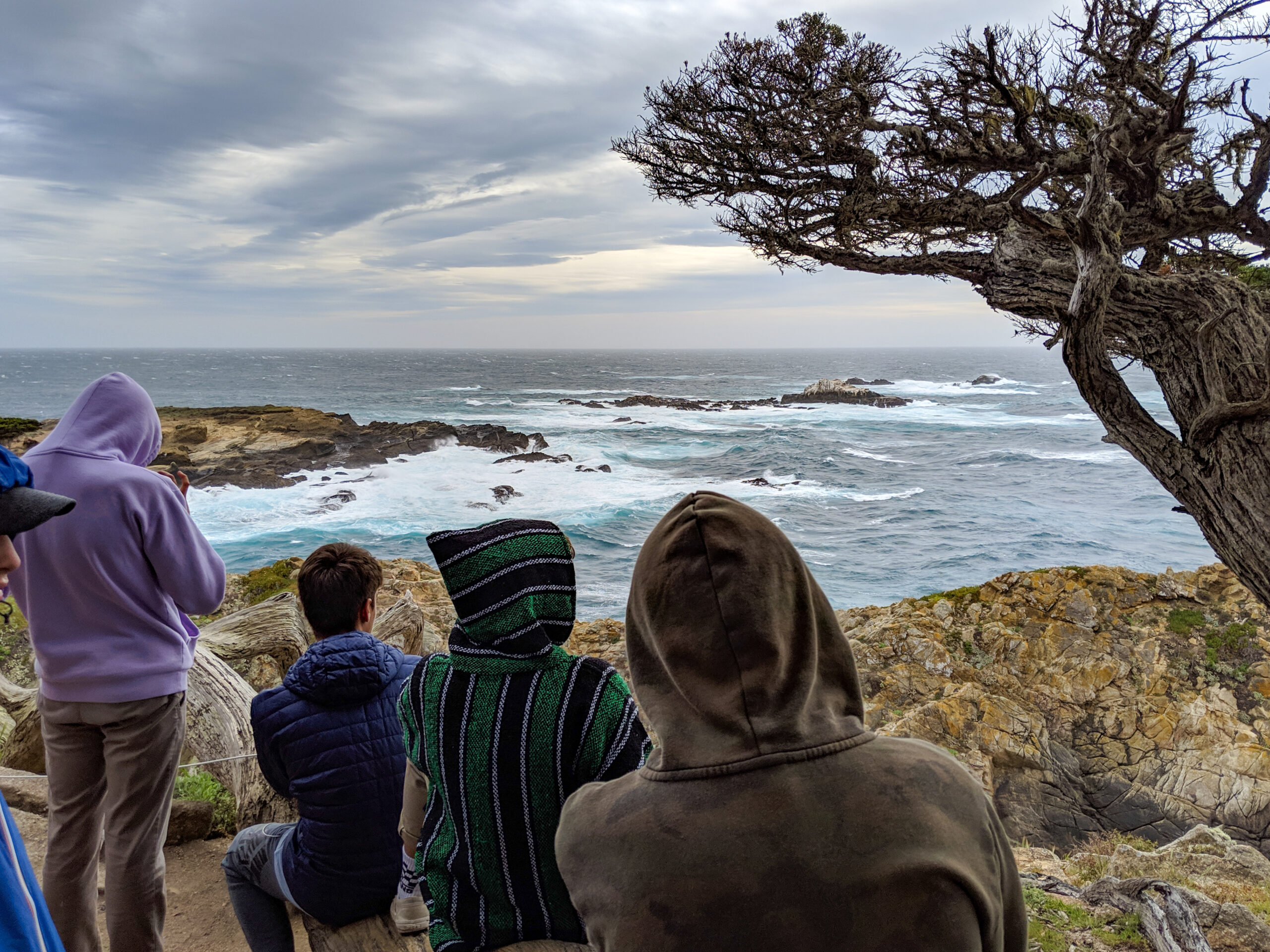
California’s coastline epitomizes this conflict. Two thirds of the state’s 40 million people live in coastal areas, and a huge rise in population and rapid economic growth have pushed coastal systems to their breaking point – and local communities along with the entire nation have to decide how to respond. Even before a 1962 oil spill in Santa Barbara helped spur a global environmental movement, Californians have been fighting to preserve the coastal ecosystem and fight for a more sustainable way of life. What can their experience teach us about environmentalism? How can we rethink business and development to align with the needs of our planet? How can we educate people to value nature differently – and what trade-offs do we need to make?
1-4 Nights - San Francisco Bay, CA
Framing Environmentalism
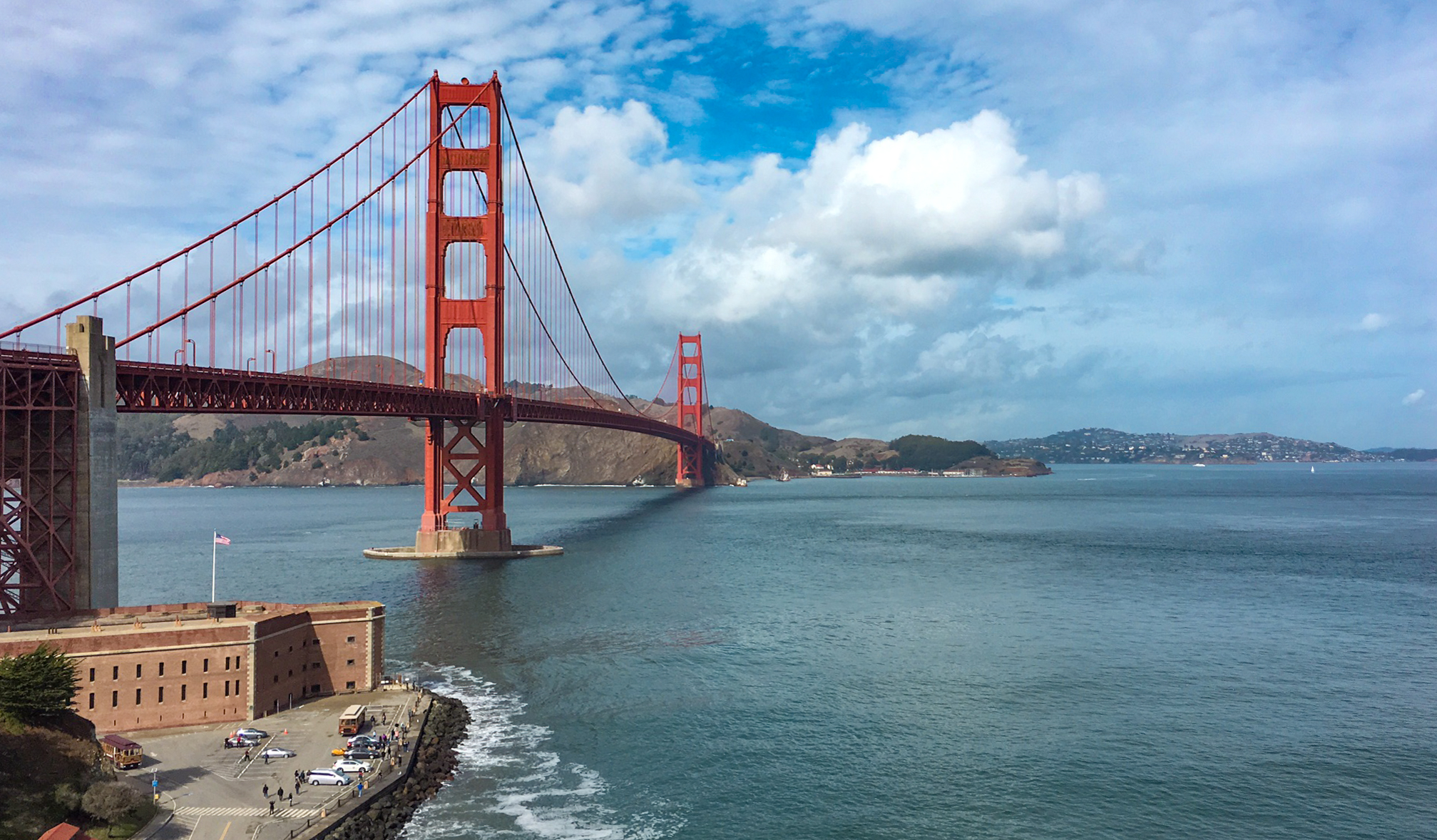
We will meet up in the Bay Area for our program start and orientation. After a short exploration of San Francisco and its incredible parks, we will explore nearby Redwood forests and learn about some of the first modern environmentalists in the country. We will also frame our project with experts from local environmental advocacy groups or social entrepreneurs.
2-3 Nights - Monterey Bay, CA
A History of Conservation
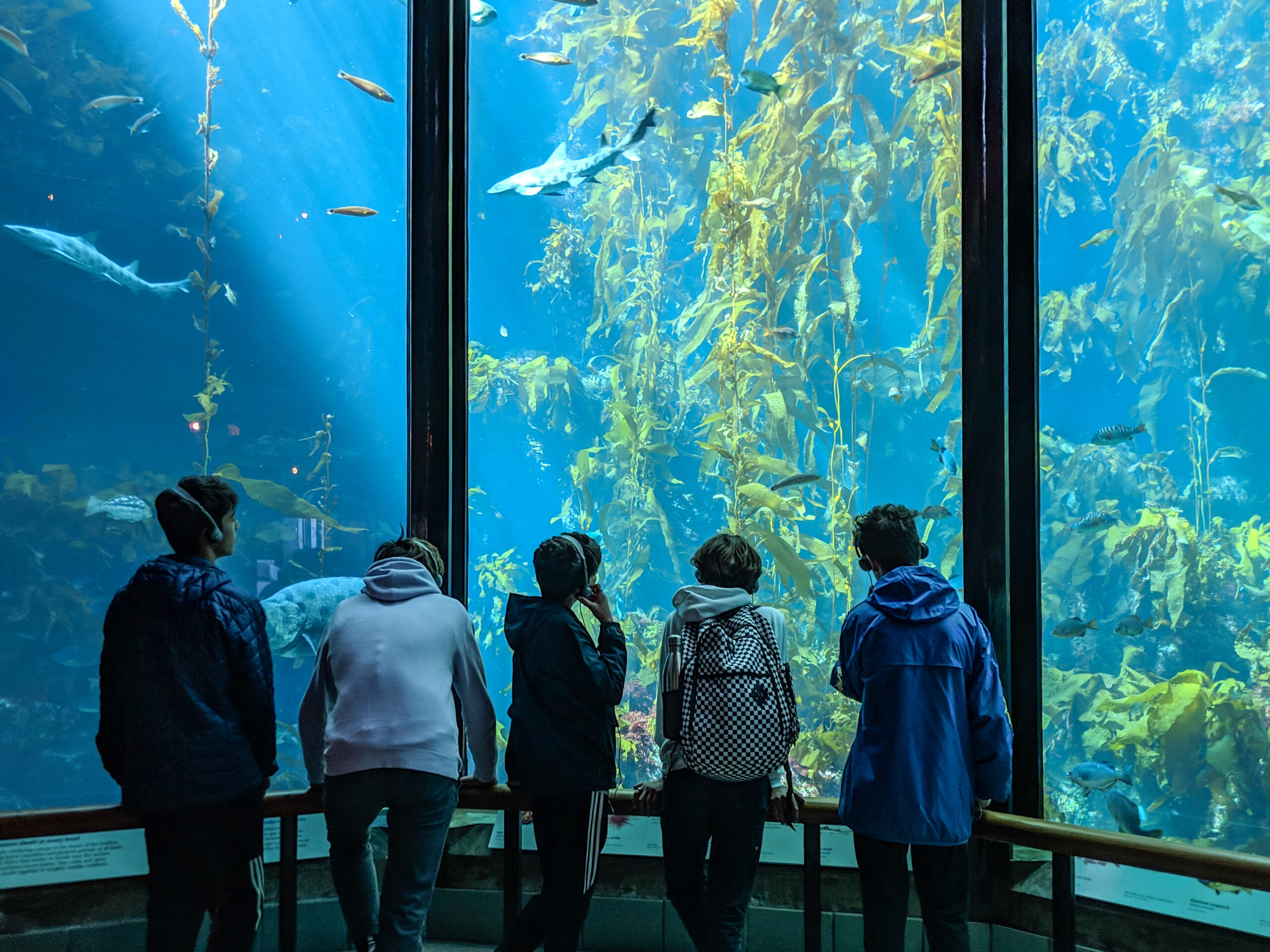
In Monterey, we will visit the world-famous aquarium and learn how the aquarium has evolved its own sustainable seafood and education agenda. We will also get onto the water with a chance for whale watching or kayaking in the Elkhorn Slough, known for its birds and sea otters. In nearby Carmel, we will explore the stunning coastal forests and get a taste of the state’s Spanish colonial history, before heading inland to Salinas, home to the John Steinbeck Center and a base for local agriculture.
3-4 Nights - Cambria and San Luis Obispo County, CA
Thriving Coast and Valleys
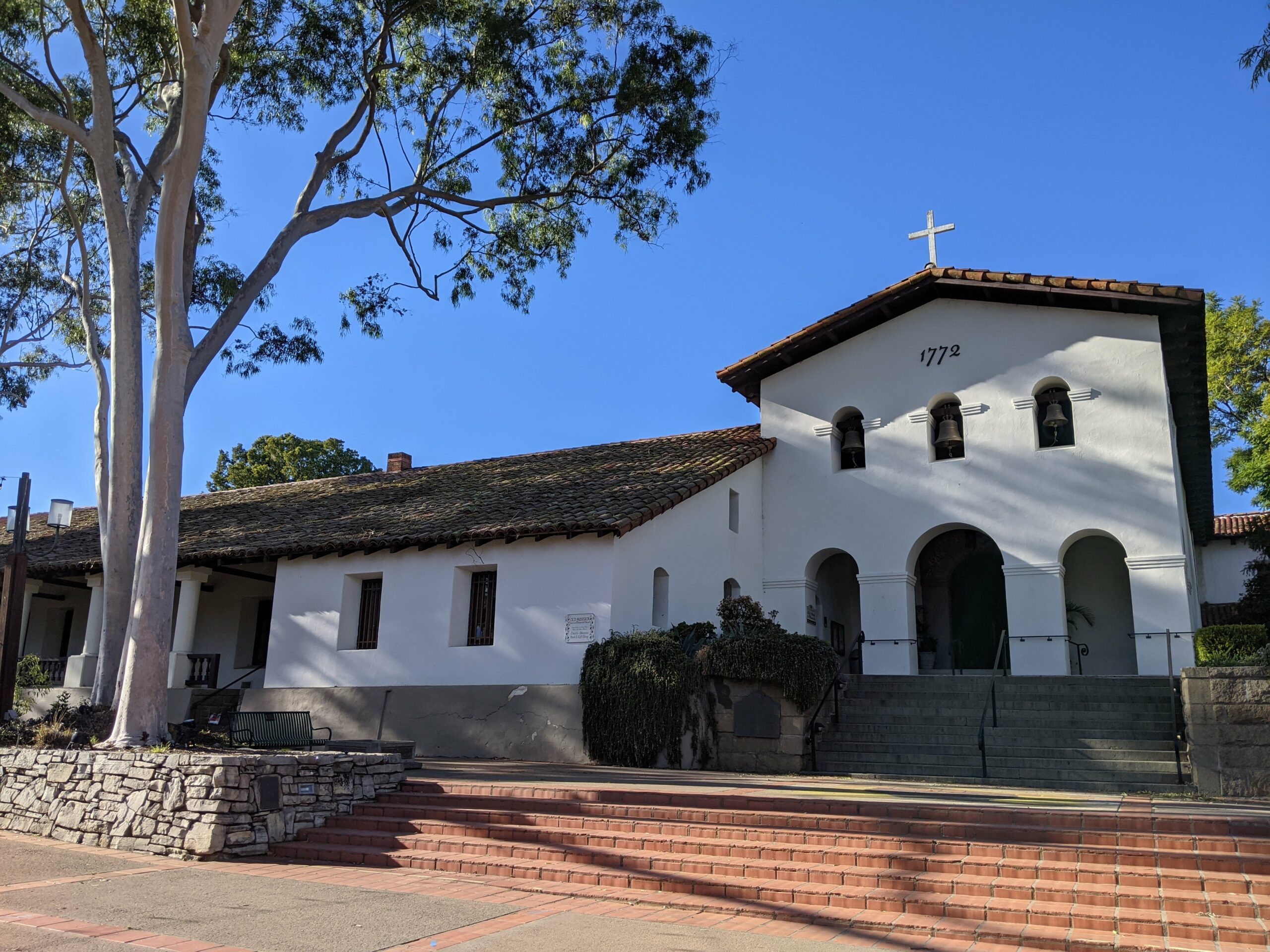
As we move south we will either stop in Big Sur to understand the risk of coastal erosion, or stay inland to visit one of the youngest national Parks, Pinnacles. In San Luis Obispo county we will explore the farmlands of Paso Robles along with coastal restoration projects in Cambria as we spend some time thinking through our own project concepts. Heading further south, we’ll then stop in Santa Barbara to dive into the history of the modern environmental movement and see how the city is working to manage its identity and resources.
3-4 Nights - Los Angeles and Ventura County, CA
Urban Growth and the Environment
From the cliffside communities of Malibu to the small-scale farmers of Ojai, we will end with an overview of the urban and suburban challenges in Los Angeles. In the city itself we will explore the growing fire risk and infrastructure under threat, and learn about decades of efforts to clean up the city’s air and water. To close, we will have some time and space in LA to pull together our project output, with support from local experts like artists, filmmakers, communications professionals, and social entrepreneurs.